Who Owns Yono Games
Why Ownership Questions Matter
Many users search for ownership details before spending time on any gaming platform. Knowing who stands behind a brand can help people understand how the platform is positioned, what type of audience it serves, and how seriously the business treats long-term growth. Ownership questions are common because players want context, not only games.
For Indian users, this is especially relevant. A familiar name, clear brand direction, and consistent presentation can all influence trust and interest. Even when a player arrives for entertainment, background information often helps shape the final decision to stay or leave.
Yono Games attracts attention because of its growing presence, recognizable name, and broad category range. That naturally leads to one of the most common searches: who owns Yono Games?
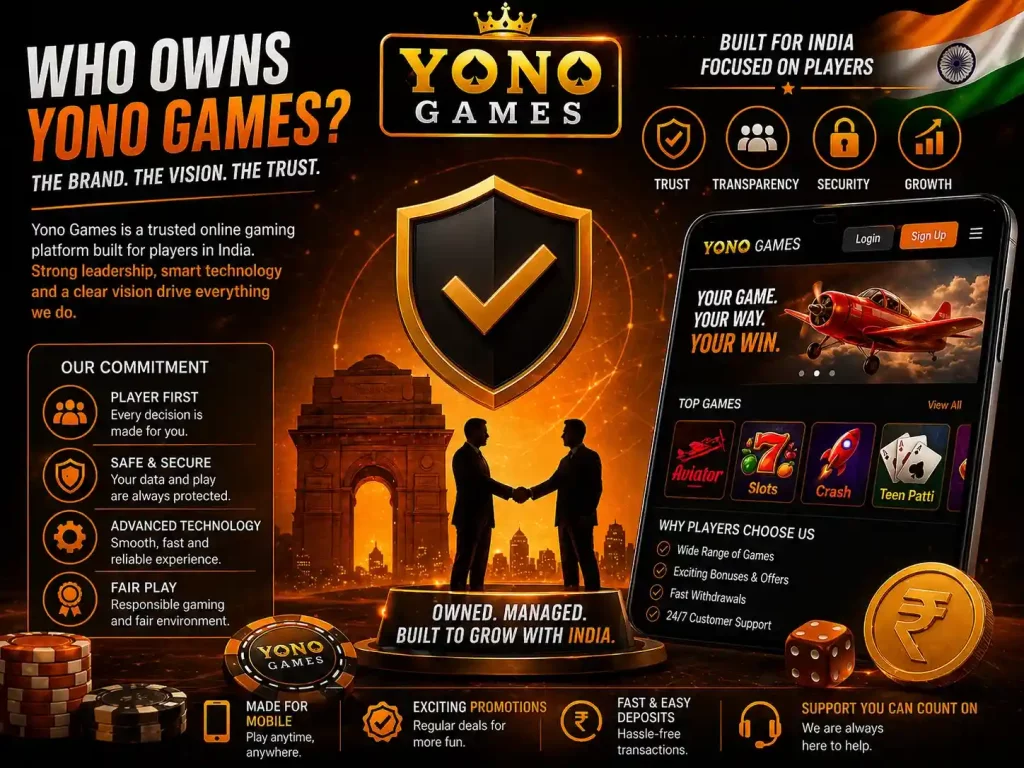
Understanding Brand Ownership
Ownership can mean different things depending on the platform. In some cases, one company fully controls the brand. In others, a wider business group may manage operations, technology, marketing, and customer growth under the same name. Some gaming brands also use partner systems for content or technical support while keeping their public identity separate.
Because of that, ownership is not always just one name on one line. It may involve management structure, commercial branding, and operational teams working together.
For users, the most important point is whether the platform shows consistency, clear direction, and stable brand identity over time.
Why Brand Identity Matters
A platform with strong identity usually feels more organized. Pages match each other, categories are connected, promotions follow the same tone, and the user journey feels intentional. These signals often matter more to everyday players than complex corporate structures.
Yono Games has built recognition through a unified gaming identity that connects multiple categories in one place. That can be a sign of structured planning behind the brand.
Some visitors first arrive through categories like Slots, then later become curious about the company behind the platform itself.
What Users Usually Look For
When players search ownership topics, they often want answers to several related questions at once. They may ask who manages the platform, whether the brand is growing, how professional the operation appears, and whether the site feels built for long-term use.
Ownership research is often less about legal labels and more about confidence.
Key Ownership Signals
| Signal | What It Suggests | Why It Matters |
|---|---|---|
| Consistent Branding | Clear direction | Shows planning |
| Multiple Categories | Broader platform vision | Supports growth |
| Regular Updates | Active management | Better long-term outlook |
| Mobile Access | Modern strategy | Fits user habits |
| Recognizable Name | Brand awareness | Encourages trust |
Why Mobile Strategy Reveals Intent
Modern ownership teams know mobile experience is essential, especially in India. Platforms that invest in phone-friendly design usually understand real user behavior. That suggests active leadership focused on growth rather than short-term visibility.
Some users search for an apk when they want faster access. A brand that supports strong mobile pathways often shows awareness of current market needs.
Why Players Ask Before Joining
Many users ask ownership questions before they create an account. They want to know whether the platform looks established and whether the brand appears serious about long-term presence. This is one reason background pages are popular.
Some visitors research first, then decide to sign up later when they feel comfortable.
Ownership Interest Chart
Promotions and Ownership Perception
Some users also notice whether promotions feel structured and consistent. A well-presented bonus campaign can reflect planning and organized brand management. While offers alone do not prove ownership quality, they can show how professionally a platform is run.
Why Yono Games Draws Attention
Yono Games stands out because it presents itself as more than a single-category site. The broader identity suggests a platform built to serve multiple interests and different player moods. That usually requires coordinated management and clear brand goals.
When people ask who owns Yono Games, they are often asking a bigger question: is there a real brand strategy behind the platform? Based on visible identity, broad category focus, and user-facing consistency, the brand appears positioned with growth and long-term recognition in mind.
Ownership research is ultimately about confidence, and Yono Games gives users several visible reasons to explore further.
Why Ownership Is More Than a Name
When users ask who owns a platform, they are rarely looking only for a company label. Most people want to understand whether the brand is organized, active, and built for long-term use. Ownership becomes a shortcut for judging professionalism, direction, and reliability.
For Indian users, this matters because the market is highly competitive. Players often compare many platforms before deciding where to spend time. A brand that looks structured and consistent can stand out quickly.
Yono Games benefits from this interest because it has developed a recognizable identity across multiple gaming categories. That naturally encourages more questions about the people or company behind it.
How Brand Structure Is Usually Built
Modern gaming platforms are often supported by several layers of work rather than one simple owner role. A brand may include management teams, technical teams, design teams, marketing specialists, and content partners working together under one public identity.
This means ownership can be both legal and operational. One entity may hold the brand, while multiple teams help run and grow it day to day.
For players, the key issue is not always the exact internal chart. It is whether the final platform feels stable, clear, and actively maintained.
Signs of Active Management
A platform often reveals its management quality through visible details. Updated categories, consistent branding, mobile improvements, and organized navigation all suggest that real effort is being invested behind the scenes.
When a brand keeps improving the user experience, it usually means ownership or leadership remains engaged rather than passive.
This is one reason ownership pages remain popular. Users know they can learn a lot from what the platform shows publicly.
Brand Growth Indicators
| Indicator | What It Shows | User Meaning |
|---|---|---|
| Fresh Content | Ongoing updates | Active platform |
| Strong Identity | Unified branding | Better trust |
| Wide Categories | Expansion mindset | More choice |
| Mobile Support | Modern planning | Easy access |
| Clear Navigation | User-focused design | Less friction |
Why Mobile Focus Matters
In India, mobile experience can be one of the clearest signals of serious platform planning. Brands that understand user behavior know many visitors arrive through phones first. Smooth design, responsive pages, and easy account access often reflect practical leadership choices.
Some users search for an apk because they want quicker mobile entry. A platform prepared for that demand usually shows awareness of real market habits.
Why Confidence Builds Before Registration
Many players research first and register later. They may review games, ownership pages, access methods, and brand background before deciding to create an account. This is normal behavior in a crowded online market.
A clear platform identity helps reduce hesitation. Once users feel confident, they may decide to sign up with fewer doubts.
User Trust Analysis
Why Promotions Influence Perception
Players often judge management quality through how promotions are presented. A clear and structured bonus page can suggest organized planning, while confusing offers may create the opposite effect. Promotions do not define ownership, but they can reflect how carefully the brand is managed.
Why Category Range Suggests Strategy
Platforms with multiple categories usually require stronger planning than single-focus sites. Different audiences, different content needs, and different user journeys must be managed together. That often points to broader business goals rather than a short-term project.
Yono Games benefits here because its brand identity reaches beyond one single type of game.
Some visitors first notice categories like Slots, then later research the company behind the platform.
Why Transparency Matters
Even when every internal detail is not public, users still value visible transparency. Clear pages, consistent branding, understandable navigation, and stable user experience all help create confidence.
Transparency is often experienced through design and structure, not only written statements.
Long-Term Perspective
When people ask who owns Yono Games, they are usually evaluating whether the platform feels serious, stable, and worth their attention. Based on visible growth signals, category range, and organized presentation, the brand shows many signs of structured management.
For Indian users, that matters because trust often begins before the first game starts. A platform that appears planned and active gives people stronger reasons to stay, explore, and return.
Why Reputation Connects to Ownership
A brand’s reputation often becomes the public face of its ownership. Most users never read internal business structures, but they do notice how a platform behaves over time. If the site stays consistent, categories remain active, and the user journey feels organized, people naturally assume the ownership behind it is serious and engaged.
For Indian users, reputation matters because there are many gaming platforms competing for attention. Players often choose brands that look dependable and professionally managed. A strong public image can influence trust before any registration happens.
Yono Games benefits from this because its name is becoming more recognizable across multiple gaming topics. That visibility leads users to ask who is behind the brand and how it is being developed.
How Users Judge a Brand Indirectly
Many players evaluate ownership without realizing it. They look at practical signals instead:
- Is the platform easy to navigate?
- Does the site feel current or outdated?
- Are categories organized clearly?
- Is mobile access smooth?
- Does the overall identity feel consistent?
These everyday observations often shape trust more than technical corporate language.
Ownership, in practice, is often judged through user experience.
Why Consistency Builds Trust
Consistency is one of the clearest signs of long-term management. When branding, page quality, and overall structure feel aligned, users usually assume the platform is being guided carefully.
In contrast, inconsistent pages or confusing systems can raise doubts even if the company behind them is legitimate. This is why strong presentation matters so much.
Yono Games appears to understand this principle by maintaining a recognizable style and broad platform identity.
Reputation Signals Overview
| Signal | What Users Notice | Why It Matters |
|---|---|---|
| Consistent Style | Unified experience | Builds trust |
| Clear Categories | Easy exploration | Less confusion |
| Fresh Presence | Updated feel | Shows activity |
| Mobile Access | Fast phone use | Fits habits |
| Recognizable Brand | Name awareness | Encourages return visits |
Why Mobile Reputation Matters
In today’s market, reputation is not built only on desktop websites. Many first impressions now happen on phones. If the mobile experience feels smooth and modern, users may immediately view the brand more positively.
Some players search for an apk because they expect faster mobile access. A brand that meets those expectations often gains stronger credibility with mobile-first audiences.
For Indian users, where smartphone use is widespread, this factor can be especially important.
Why Familiar Names Gain Attention
A recognizable brand name often creates curiosity. Once players see a name repeatedly across searches, recommendations, or gaming discussions, they become more likely to research it further.
This is one reason ownership pages receive traffic. Familiarity creates interest, and interest leads to deeper questions about who runs the platform.
Reputation Trend Analysis
Why Promotions Also Affect Image
Promotions can influence reputation when they are presented clearly. A structured bonus offer with understandable terms can make the brand appear organized and user-focused. Poorly explained offers can do the opposite.
This does not define ownership quality by itself, but it contributes to how users perceive the platform.
Why Multi-Category Platforms Feel Stronger
Brands with several categories often appear more established because they serve wider interests. Managing multiple game types, user journeys, and content areas usually requires more planning than running a single-focus site.
Yono Games benefits from this broader identity. It suggests ambition and a longer-term vision.
Some users first discover categories like Slots, then later become curious about the company behind the wider platform.
Why Users Research Before Action
Many players now research first and decide later. They may read reviews, ownership pages, or brand background before choosing to create an account. Once trust is built, they feel more comfortable to sign up and continue exploring.
This makes ownership content valuable even for users who came originally for games.
When people ask who owns Yono Games, they are often evaluating more than ownership itself. They are asking whether the platform feels stable, active, and worth trusting. Reputation, consistency, and user experience all become part of that answer.
For Indian users, those visible signals can matter just as much as formal business details. A platform that looks organized and future-focused gives stronger reasons to stay interested.
Why Ownership Questions Keep Growing
Ownership searches continue to grow because modern users want more than entertainment. They want context. Before investing time in any platform, many people ask who is behind the brand, how the business appears to operate, and whether the platform looks built for long-term use.
For Indian users, this is especially relevant because the online gaming space offers many choices. Players often compare several brands before deciding where to spend attention. A platform with visible structure and clear identity can stand out quickly.
Yono Games attracts these questions because it has built recognition through a broad gaming presence and a name that users increasingly notice.
Why Ownership Often Means Trust
For most users, ownership is really about trust. They may not need every internal business detail, but they want signs that the platform is active, organized, and guided by a clear strategy.
That trust is usually formed through visible signals:
- Consistent branding
- Organized categories
- Smooth navigation
- Mobile-friendly access
- Clear user pathways
- Fresh and active presentation
These practical elements often matter more than complex corporate wording.
Why Everyday Experience Becomes the Real Answer
Many players never read formal business documents. Instead, they judge the platform through daily experience. If pages feel connected, content appears current, and the platform is easy to use, users naturally assume the ownership behind it is engaged and serious.
This is why user experience and ownership perception are closely linked.
Yono Games appears to benefit from that connection by presenting itself as a broader gaming brand rather than a single isolated page.
Complete Ownership Value
| Value Area | What It Shows | User Benefit |
|---|---|---|
| Brand Identity | Clear direction | Higher trust |
| Active Presence | Ongoing platform focus | Better confidence |
| Mobile Fit | Modern planning | Easy access |
| Wide Categories | Growth mindset | More choice |
| Consistency | Organized experience | Reasons to return |
Mobile Strategy and Modern Leadership
In today’s market, mobile experience is one of the clearest signs of serious planning. Brands that understand how users behave know many visitors arrive through phones first. Fast loading, responsive pages, and easy account movement often reflect practical leadership decisions.
Some users search for an apk because they want faster mobile entry. A platform prepared for that demand usually shows awareness of real market habits.
For Indian audiences, where mobile gaming is widespread, this matters even more.
Why Familiarity Builds Confidence
As users encounter a brand name more often, confidence can grow. Repeated visibility across gaming searches or recommendations makes the platform feel more familiar. That familiarity encourages deeper research.
This is one reason ownership pages matter. They help convert simple curiosity into stronger understanding.
Full Perspective Breakdown
Why Promotions Also Shape Perception
Players often notice whether offers feel structured and understandable. A clear bonus campaign can suggest organized management, while confusing promotions may weaken confidence. Promotions alone do not define ownership, but they can influence perception.
Why Multi-Category Brands Stand Out
Platforms with several categories often appear stronger because they serve different audiences and moods. Managing multiple content areas usually requires broader planning than a single-focus site.
Yono Games benefits from this wider identity. It suggests long-term ambition and a platform designed to grow.
Some users first discover categories like Slots, then later become curious about the company behind the larger brand.
Why Research Often Comes Before Registration
Many players now research first and act later. They may read background pages, ownership articles, or platform summaries before choosing to create an account. Once confidence is built, they feel more comfortable to sign up and continue exploring.
This makes ownership content valuable even for users who originally came only for games.
Final Answer – Who Owns Yono Games?
When users ask who owns Yono Games, they are usually asking whether the platform feels real, active, and trustworthy. While public-facing users often focus less on formal internal ownership structures and more on visible brand signals, Yono Games shows many signs of coordinated management, broad platform strategy, and user-focused planning.
For Indian players, that can be the most practical answer. A platform with consistent identity, mobile readiness, category variety, and organized presentation gives stronger reasons to trust the brand, explore further, and return again.






Comments